
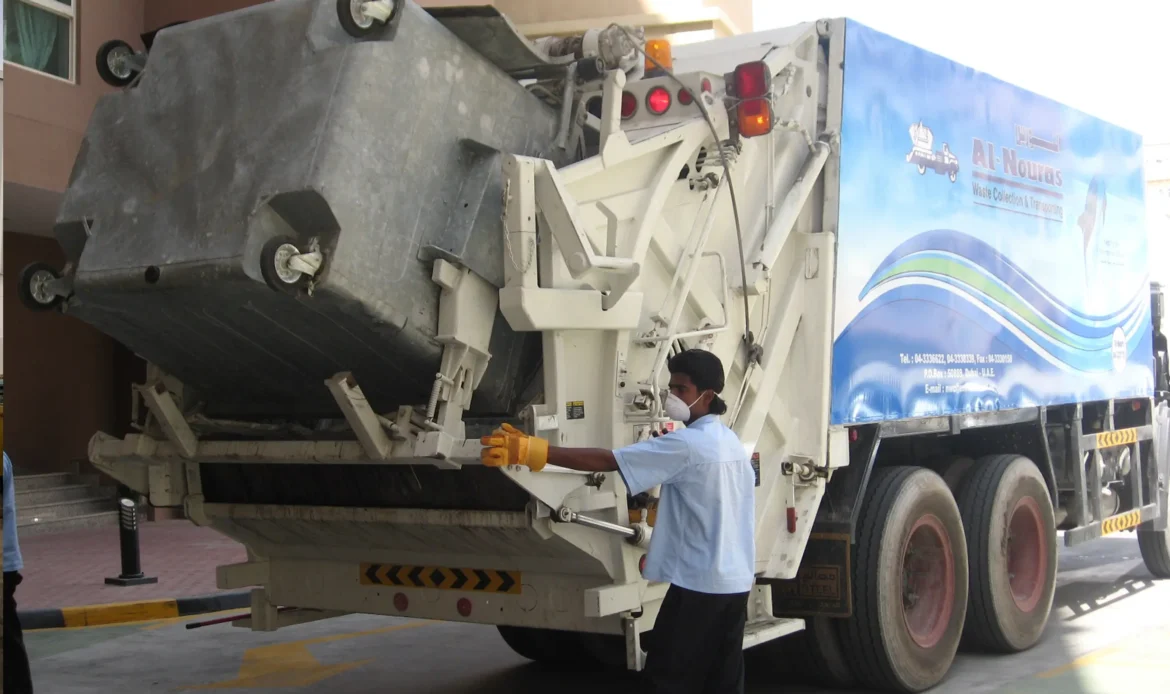
This construction waste removal guide is written for villa owners and contractors in Dubai who want debris cleared quickly, safely and in line with the rules.
Renovation, demolition and building work all produce debris. If it is not cleared regularly, it blocks access, slows the next trade and can become a safety risk. This guide explains how to plan construction waste removal in Dubai for a villa project or a construction site.
Construction Waste Removal Guide: Common Types of Waste
- Construction debris: broken blocks, tiles, plaster, offcuts and packaging
- Demolition waste: concrete, masonry and rubble from walls, slabs and pools
- Excavated material: sand and soil from digging work
Hazardous or chemical waste needs specialist handling and should be discussed separately.
Loading Options
Small amounts can be loaded by hand. Larger piles of rubble are usually loaded by a mini bobcat or loader directly into a truck, which is faster and safer. Keep the waste in an accessible spot so the machine and truck can reach it without blocking the road.
Choosing the Truck Size
Pickups of 3 or 7 tons suit smaller renovation jobs. 10 ton trucks and tippers are better for heavy rubble and larger volumes. Estimating the volume, even roughly, helps the team suggest the right vehicle and the number of loads.
Dubai Municipality Rules
Construction and demolition waste in Dubai must be handled and disposed of in line with Dubai Municipality requirements and taken to approved facilities. Separate waste types where you can, and confirm the disposal arrangement with your waste transport provider before work starts.
One-Off Clearance or Regular Collection?
A single clearance suits the end of a renovation or after demolition work. Ongoing projects benefit from a regular collection schedule so debris never builds up on site.
How to Get an Accurate Quote
- Site address and access details
- Type of waste and photos of the pile
- Approximate volume or number of loads
- Preferred date and any project rules
To book construction waste removal, call EA Transport on 050 854 1740 or WhatsApp us with photos of the debris.
6 Easy Steps from This Construction Waste Removal Guide
- Identify the waste: concrete and blocks, mixed renovation debris, or excavated sand.
- Estimate the volume: a rough figure in cubic metres or truckloads is enough to start.
- Check access: gate width, street parking and any community rules for trucks.
- Choose loading: by hand for small amounts, by mini bobcat for heavy rubble.
- Choose the truck: 3 or 7 ton pickups for light jobs, 10 ton trucks or tippers for heavy loads.
- Confirm disposal: make sure waste goes to an approved facility and keep any receipts.
Keeping the Site Safe While Waste Builds Up
Store debris inside the plot, away from walkways, doors and drains. Keep sharp items such as steel bars and broken glass in a separate pile. Cover dusty material on windy days and wet it lightly before loading to reduce dust for neighbours. Never block community roads or pavements with rubble. These simple habits keep your site safe, tidy and ready for the next trade.
One-Off vs Scheduled Collections
A one-off collection suits the end of a renovation or a demolition job. Longer projects benefit from scheduled collections, for example weekly, so waste never builds up and the site stays productive. Share your project timeline and the trades involved, and a collection plan can be matched to your work stages. Following this construction waste removal guide helps you avoid delays, complaints and fines.
Need Help with Your Site?
Send photos of the debris, the site location and an estimate of the volume. The team can then confirm the loading method, truck size and number of loads, and arrange a one-off clearance or a regular collection plan. Using this construction waste removal guide as a checklist keeps every job organised.